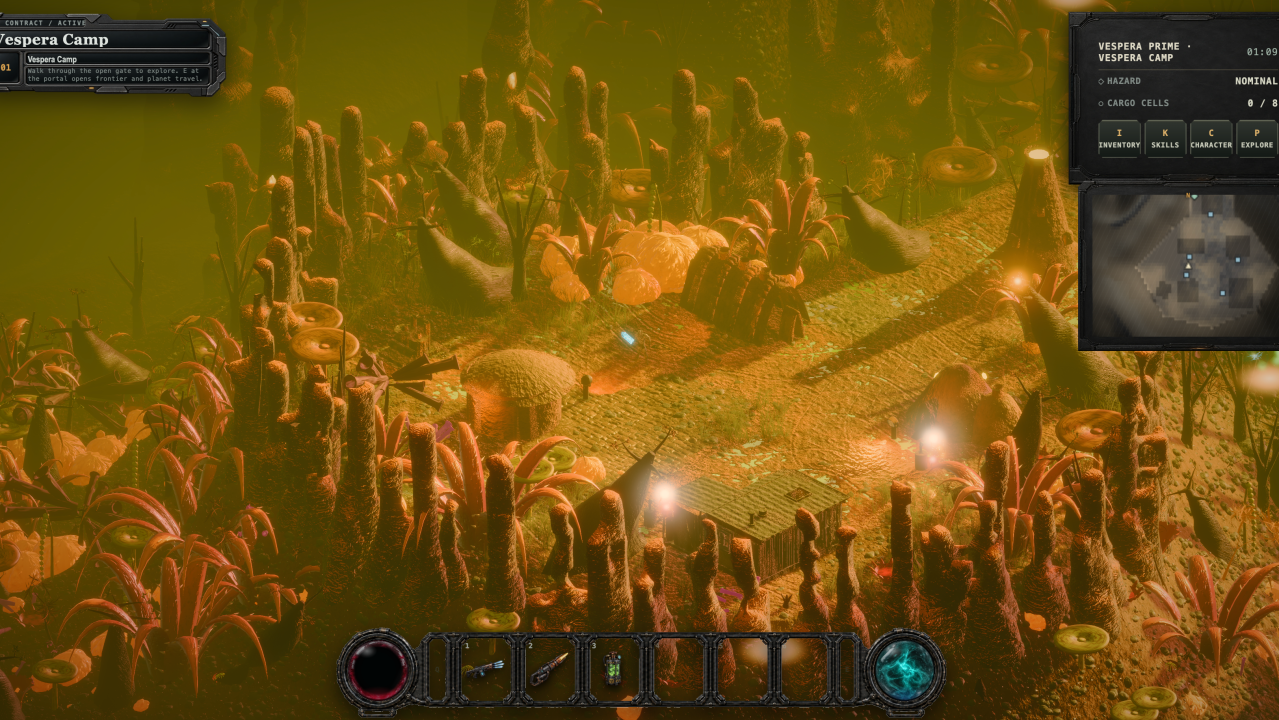
I regularly see AI skeptics asking: "If AI is such a productivity boost, where are all the new products?"
Well, here's one.
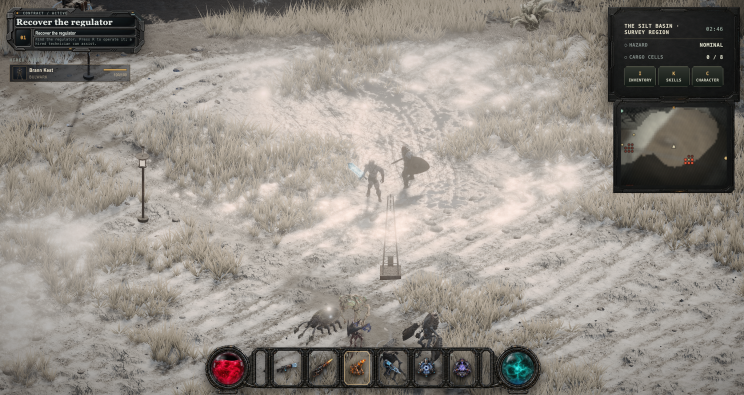
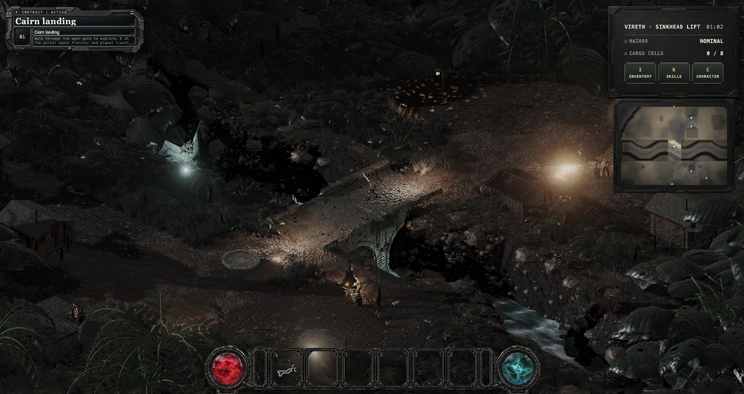
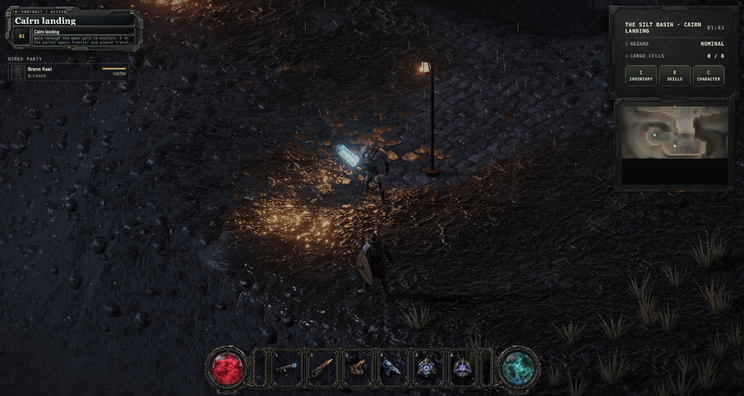
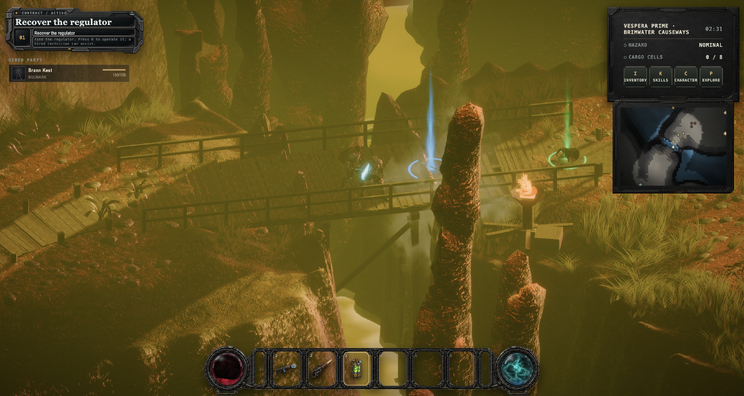
Over the past few weeks, I've begun building out a proprietary game engine and the first game on top of it: a procedurally generated sci-fi dungeon crawler I call Cold Reach. Inspired by my childhood favorites Diablo and StarCraft, along with themes drawn from Star Wars, Lord of the Rings, and Dune, it's been a long-running dream of mine that is finally coming to life.
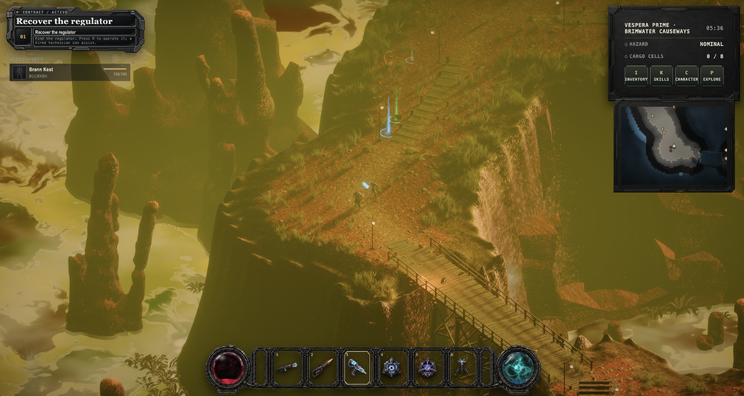
What does procedural mean? It means none of these levels are generated by hand in a tool like Blender. They are generated at run-time via a seed. This means every time you play, you get a unique computer generated level layout, all while keeping the same objectives/quests/etc. The buildings change position, the routes on the maps change shape, enemies spawn in different spots; the game's world is completely dynamic.
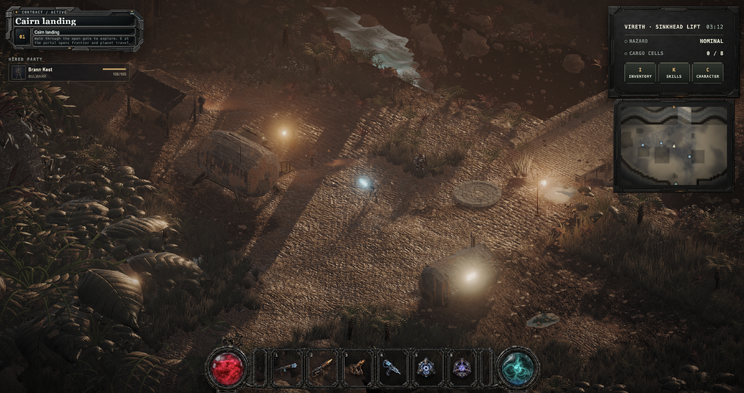
First, I am going to be honest with you up front: As beautiful as this is, I haven't looked at the code outside of a few nits on scaffolding.
This a complete reversal for someone who spent his 20s obsessing over writing code and building products by hand. I vividly remember sitting on the CTA every single day of work reading about software architecture, docs, new frameworks, how to solve that bug from the other day, and more. But this is where we are now. I was an early mover on coding agents and quickly went from thinking “AI could never do what I do” to being completely AI pilled, seemingly overnight. Humbling to say the least.
So what does it all mean? It means you rarely need to look at the code. You don’t need to write any code by hand. For instance, I don’t even type in git commands anymore; my agents do.
It means you rarely need to look at the code. You don’t need to write any code by hand.
Whether you like it or not, your job as an engineer is to become an AI wrangler extraordinaire. If that doesn’t excite you, you should probably start shopping around for a different industry to make a living in sooner than later.
With that, I regularly get asked by executives and technical leaders on if this means they can lean on hiring less experienced folks and amplify them with AI, since AI is doing the coding now.
No. Absolutely not.
This doesn’t mean you can remove the knowledgeable, experienced engineers from the equation. They are actually needed now more than ever and arguably will be increasingly harder to find. You’d never expect a pilot trainee to fly an F-35 fighter jet. The F-35 is doing a lot of the heavy lifting but the likelihood of them crashing is near 100%. Coding with AI isn't any different.
This doesn’t mean you can remove the knowledgeable, experienced engineers from the equation.
For me, everything I do now revolves around using my experience to guide AI with well-thought out natural language input combined with heavy objective test suites and strong custom AI eval harnesses when doing applied AI work. It beats the human brain hand-coding and reading the code, every time. The amplifier is that I can have thoughts completed asynchronously by any number of agents, or even agents managing other agents. Just like everything, there is an art to it.
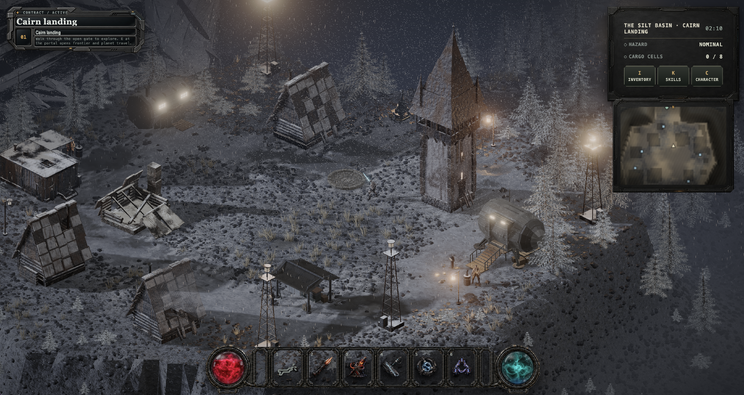
I had never found the time to explore game development before, yet built this while working full-time leading applied AI initiatives, with a teething 9-month-old at home.
The approach: semi-autonomous agents running in adversarial loops
Idea → research → prototype → fact check → refine → test → repeat until I sign off → ship
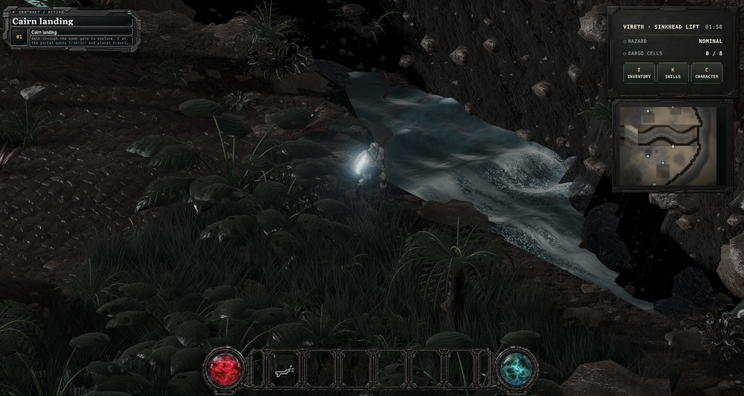
You may be thinking "What model did you use? What harness?"
The answer: I used many. I spent a lot of time (and money on tokens/subs) to find what each respective model actually does well (and not well) when building out a game and game engine. I am reading up daily on what new models have come out so I can test them. It's a lot of work.
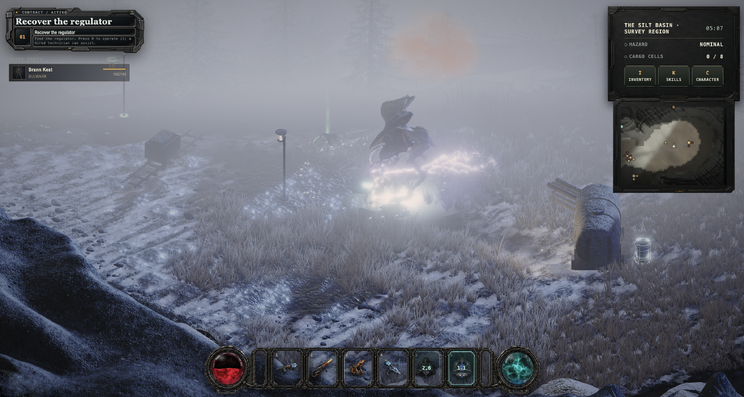
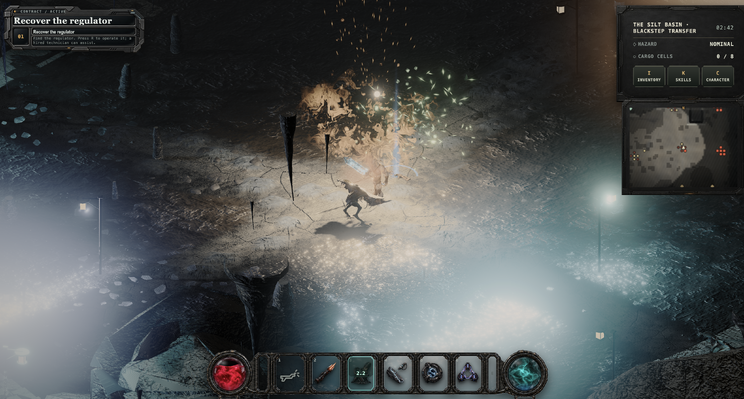
I built everything you see here using the following models:
- OpenAI GPT Astra and Sol
- Anthropic Claude Sonnet, Fable and Opus
- Z.ai GLM 5.3 Flash
- DeepSeek 4.1 Flash
- Google Gemini 3.8 Flash
- Kimi K3
Harnesses: omp (oh my pi), Claude Code, Codex, DeepSeek Harness, Antigravity CLI.
As a power user of these magical tools, I regularly blow through my subscription limits, which not only means staggering the work across models, but more importantly, knowing which model can pick up the other models' slack. Each model has its own strengths, so part of the job is knowing which one to use for what, just as you would when leading a product engineering team. This takes time, just as it would if you were managing a team.
The takeaway here is that this isn't a "Model X one-shotted Y" story. Far from it. I am running large scale semi-autonomous orchestrations across many different models simultaneously using a skill I've refined over the past few years. These "agents" are completing north star objectives on my behalf. I am reviewing and testing what they do. I am making sure they keep focus.
Each model has its own strengths, so part of the job is knowing which one to use for what, just as you would when leading a product engineering team.
Compute truly has been the only limitation I've run into so far. If I had more of it, I'd be even further along than what you see here. I'm currently in the process of finding what building a home lab might look like, but if you've read the headlines lately, you'll see how expensive hardware has gotten. This makes the SOTA subscriptions more enticing, especially as things become less and less expensive with innovations and open-source competition.
I want to be clear. None of this is perfect (nor is it AGI/ASI) and without a passionate, well-versed human steering, you won't get very far. AI amplifies what you know and fills in the blanks of what you don't. What enabled me to go from zero game engine development knowledge to this point so quickly was 13 years of ideating, building, and shipping products, along with being a serial hobbyist who loves learning new concepts. I took what I knew and let AI fill in the rest.
AI amplifies what you know and fills in the blanks of what you don't.
The reality is AI doesn't replace you or your human vision; that's all fear mongering doomerism. It's a genie living in silicon that augments your vision and helps bring it to life in the most efficient way possible.
What's so amazing about this exciting new world is that it's now possible to bring farfetched ideas to life with no roadmap, no stakeholders, no funding, no team, no forced launch date. Even complex multi-disciplinary systems like this one, which a few years ago would've taken an army of talent and tens to hundreds of millions of dollars to build, can now be created in a short amount of time with just a laptop, an idea and passion.
For me, it's pure bliss.
Note: All screenshots, footage, music, and gameplay in this post are from Cold Reach, my in-progress game. Feel free to share or reference this write-up, just credit back to this post.
If this resonated and you'd like to help push this project or others I'm working on further, compute is genuinely my bottleneck right now. Reach out if you're interested in sponsoring compute or lab hardware, happy to talk specifics.
Email: hello@omnihash.com